
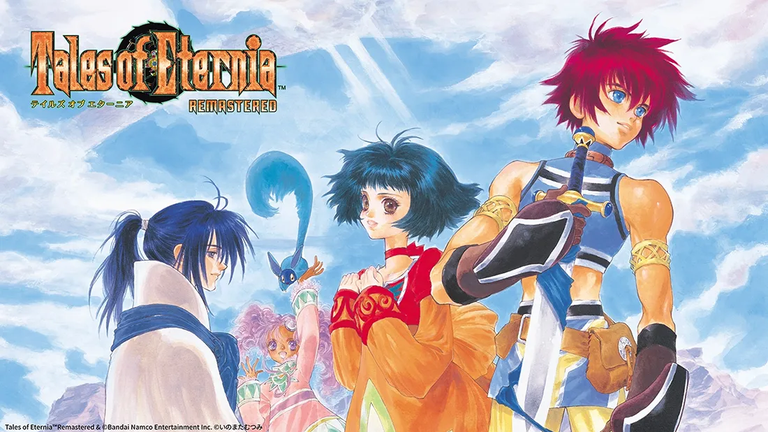
Step back into a beloved 2D classic as we analyze the Tales of Eternia Remastered Metacritic reception. For fans of classic action role-playing games, tracking the Tales of Eternia Remastered Metacritic scores provides a vital look at how this vintage adventure translates to modern hardware. Bandai Namco’s long-awaited release brings the worlds of Inferia and Celestia back to the spotlight, offering both returning veterans and curious newcomers a chance to experience a pivotal piece of JRPG history.
As reviews roll in for the developer TOSE’s updated project, critics have weighed in on its nostalgic charm, real-time combat, and modern quality-of-life additions. Let’s dive deep into what the critical consensus says about this historic release.
Understanding the Tales of Eternia Remastered Metacritic Score
When evaluating a classic game’s return, the overarching score tells an immediate story. Currently, the Tales of Eternia Remastered Metacritic average sits at a respectable 76, categorizing the title under “Generally Favorable” reviews. Based on an initial batch of 12 critic reviews, the game has secured roughly 67% positive evaluations alongside 33% mixed impressions, with zero outright negative scores.
For a retro remaster sold at an accessible budget price, this score indicates a faithful translation that honors its source material while acknowledging the inherent quirks of early 2000s game design.
| Review Metric | Status / Score |
|---|---|
| Metascore | 76 (Generally Favorable) |
| Total Critic Reviews | 12 |
| Positive Reviews | 8 (67%) |
| Mixed Reviews | 4 (33%) |
| Negative Reviews | 0 (0%) |
| User Score | TBD |
Release Platforms and Developer Details
Before jumping into the granular feedback, it helps to understand where and how the game launched. Published by Bandai Namco Games and developed by TOSE, the title marks a major milestone as the first of the franchise’s 2D entries to grace modern platforms.
The widespread multi-platform availability ensures that players across almost any modern ecosystem can experience the journey. Below is a breakdown of the release logistics and supported systems.
| Game Detail | Specification |
|---|---|
| Initial Release Date | October 16, 2026 |
| Developer | TOSE |
| Publisher | Bandai Namco Games |
| Genre | Action RPG |
| Supported Platforms | PlayStation 5, PlayStation 4, Nintendo Switch, Nintendo Switch 2, Xbox Series X, PC |
What Critics Love About the Remaster
Reviewers frequently highlight the enduring appeal of the game’s core systems. The real-time combat system remains a standout feature, blending traditional action RPG mechanics with the rhythmic flow of a 2D fighting game. Players managing characters like Reid and Farah will find that the distinct combat traits hold up wonderfully.
Furthermore, the intricate Craymel Cage system offers surprising mechanical depth that rewards strategic planning. Reviewers also praised the revamped localization, which brings out the emotional weight of the central cast and restores content previously cut from earlier regional releases.
- Real-Time Combat: Fast-paced, engaging action that appeals to both retro fans and modern action-RPG enthusiasts.
- Craymel Cage System: A deep magic and customization framework that keeps character growth rewarding.
- Quality-of-Life Upgrades: Thoughtful accessibility features and modern tools that streamline the retro grind.
- Restored Content: Inclusion of previously omitted regional content makes this the definitive version to play.
Criticisms and Aging Mechanics
Despite the warm reception reflected in the Tales of Eternia Remastered Metacritic standing, reviewers did not shy away from pointing out its rough edges. Because the title remains true to its early 2000s roots, it carries structural baggage that modern gamers may find jarring.
Common complaints center around uneven minigames, visually underwhelming towns, and classic JRPG progression habits—such as repetitive backtracking and occasionally passive pacing. Some critics noted that players seeking a streamlined narrative experience comparable to modern genre giants might find the foundational gameplay loops a bit too basic.
| Feature Area | Critic Sentiment | Modern Impact |
|---|---|---|
| Pacing & Progression | Mixed | Can feel slow and archaic compared to modern narrative pacing. |
| Towns & Exploration | Underwhelming | Environments lack the interactivity and visual density of current-gen RPGs. |
| Minigames | Uneven | Some diversions feel dated and disrupt the flow of the adventure. |
| Core Gameplay Loop | Basic | Serves as a foundational case study for the franchise rather than an innovative leap. |
Individual Outlet Reviews at a Glance
Examining individual critic scores provides a clearer picture of how different publications viewed the package. Outlets praising the title emphasized its nostalgic value and smooth performance enhancements, while those leaning toward mixed scores focused on its rigid adherence to dated design tropes.
You can review a summary of select critic opinions in the table below:
| Publication | Platform | Score | Verdict Summary |
|---|---|---|---|
| Gamesurf | PlayStation 5 | 80 | Respected identity and smooth improvements make it a must-play classic. |
| COGconnected | PlayStation 5 | 80 | Fantastic return for a rare 2D entry, though burdened by old JRPG habits. |
| CGMagazine | PlayStation 5 | 75 | Restores cut content successfully with welcome quality-of-life upgrades. |
| Video Chums | PlayStation 5 | 75 | Fun action RPG with minor early-2000s baggage. |
| Push Square | PlayStation 5 | 70 | Emotional story shines via revamped localization and accessibility features. |
| Multiplayer.it | PlayStation 5 | 65 | Basic gameplay makes it primarily recommendable to series historians and hardcore fans. |
Frequently Asked Questions
What is the official Tales of Eternia Remastered Metacritic score?
The game currently holds a Metascore of 76, classified as “Generally Favorable” based on 12 critic reviews.
What platforms can I play Tales of Eternia Remastered on?
The game is available on PlayStation 5, PlayStation 4, Nintendo Switch, Nintendo Switch 2, Xbox Series X, and PC.
Who developed and published the remaster?
The title was developed by TOSE and published by Bandai Namco Games.
Are user reviews currently available on Metacritic?
At launch, user reviews are marked as TBD (To Be Determined) until enough player ratings are submitted to populate the user score breakdown.