
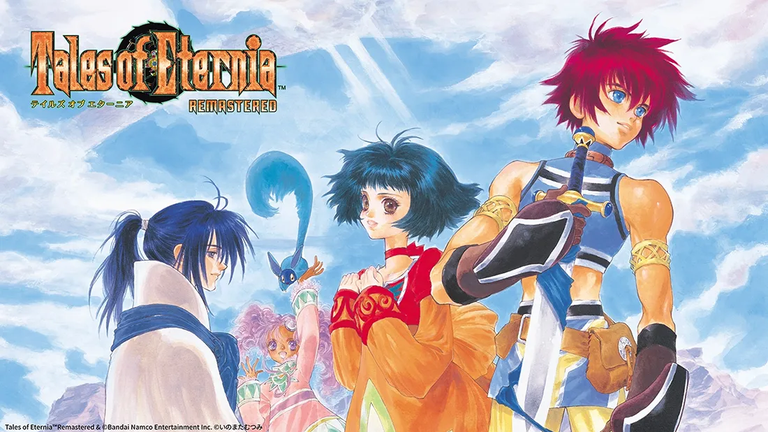
Understanding Tales of Eternia Remastered Gameplay and Core Mechanics
Are you ready to dive back into a classic JRPG adventure with modern quality-of-life improvements? Exploring the nuances of Tales of Eternia Remastered gameplay gives both veterans and newcomers a fresh way to experience this timeless title. Whether you are mastering the fast-paced combat or navigating the interconnected worlds of Inferia and Celestia, understanding the core mechanics of Tales of Eternia Remastered gameplay will help you save the universe from the impending Great Fall.
Originally released in 2001 and developed by TOSE Co., this enhanced edition brings beloved characters like Reid Hershel, Farah Oersted, and Meredy back to modern platforms. Bandai Namco Entertainment has ensured that the transition to current hardware maintains the nostalgic charm of the original while smoothing out rough edges. Let us break down everything you need to know about navigating these two distinct realms, mastering real-time battles, and utilizing new system features.
The Evolution of Combat: Aggressive Linear Motion Battle System
Combat is the heartbeat of any entry in the franchise, and this release is no exception. The system relies on the Aggressive Linear Motion Battle System (A-LMBS), which shifts traditional turn-based tropes into frantic 2D action.
When analyzing Tales of Eternia Remastered gameplay, you will notice that positioning and timing dictate your success. Players control Reid or swap to other party members, chaining normal attacks into powerful Artes while coordinating with AI companions.
| Battle Feature | Description | Strategic Benefit |
|---|---|---|
| A-LMBS | Real-time 2D movement and attack system | Allows rapid closing of distance and combo execution |
| Arte Chaining | Linking basic strikes into special moves | Maximizes damage output against resilient bosses |
| Party Coordination | Issuing general behavior commands to allies | Ensures healers and ranged fighters stay safe |
| Greater Craymels | Summoning elemental spirits for massive attacks | Turns the tide of battle during critical phases |
Community reports and player experience indicate that mastering spell-canceling and managing your TP (Technical Points) remain essential skills. The speed and freedom of movement make encounters feel modern despite the classic 2D perspective.
Exploring Inferia and Celestia: World Design and Exploration
The narrative revolves around two separate realms on a collision course: Inferia and Celestia. As Reid and his friends try to uncover Meredy’s mysterious past, they traverse vast landscapes, hidden dungeons, and bustling towns.
| Region / Realm | Key Characteristics | Environmental Hazards |
|---|---|---|
| Inferia | Lush fields, traditional towns, starter region | Standard monster patrols, early-game terrain blocks |
| Celestia | Advanced technological aesthetics, floating islands | Stricter enemy scaling, complex maze structures |
| The Great Boundary | Space bridging the two colliding worlds | High-level encounters, unique elemental puzzles |
According to player experience, paying close attention to environmental cues helps you uncover hidden treasure chests and side quests. The addition of modern navigation tools ensures you spend less time wandering aimlessly and more time progressing through the emotional story.
Quality-of-Life Additions That Transform the Experience
One of the most praised aspects of this modern release is the inclusion of features designed to respect the player’s time. Revisiting a classic RPG can sometimes feel tedious due to random encounters or getting lost, but TOSE Co. addressed these hurdles directly.
| Feature | Functionality | Impact on Playstyle |
|---|---|---|
| Destination Markers | Displays clear objective icons on the map | Eliminates guesswork for main story progression |
| Encounter Toggles | Allows players to turn off random battles | Perfect for puzzle-solving and backtracking |
| High-Speed Auto-Battle | Accelerates repetitive grinding sessions | Speeds up leveling and resource gathering |
| Visual/SFX Toggles | Switch between remastered and original assets | Satisfies purists looking for nostalgic atmosphere |
These tools make the title remarkably accessible. If you want to experience the story without frequent interruptions, disabling random encounters while exploring dungeons is a game-changer. Meanwhile, completionists can leave them active to experiment with new combat combinations.
System Requirements and Platform Performance
Before jumping into the adventure, ensuring your hardware meets the necessary specifications is vital for a smooth frame rate. Whether you play on PC via Steam or on console platforms like PlayStation, Xbox, or Nintendo Switch, performance remains stable at 1080p/60fps.
| Specification Tier | Processor Requirements | RAM & Graphics | Target Performance |
|---|---|---|---|
| Minimum | Intel Core i3-8100 / AMD Ryzen 3 3100 | 4 GB RAM, GTX 650Ti / RX 7770 | 1080p / 60fps on Low settings |
| Recommended | Intel Core i3-8100 / AMD Ryzen 3 3100 | 4 GB RAM, GTX 650Ti / RX 7770 | 1080p / 60fps on High settings |
| Storage | 8 GB available space | DirectX 12 compatible system | Fast load times and stable asset streaming |
For more details on editions, downloadable content, and official announcements, you can check the Tales of Eternia Remastered Official Site.
Frequently Asked Questions
What are the biggest changes in Tales of Eternia Remastered?
The remaster introduces updated visuals, optional quality-of-life toggles such as destination markers, encounter disable options, high-speed auto-battle modes, and a modern control layout while preserving the classic 2D A-LMBS combat.
Can I toggle the original graphics and sound?
Yes! The game features toggle options that let you switch between updated assets and the original retro atmosphere, satisfying both new players and longtime fans.
How do random encounters work during exploration?
Random battles occur naturally as you traverse world maps and dungeons. However, this version includes a new quality-of-life feature that lets you disable enemy encounters entirely when you want to focus on exploration or puzzle-solving.