
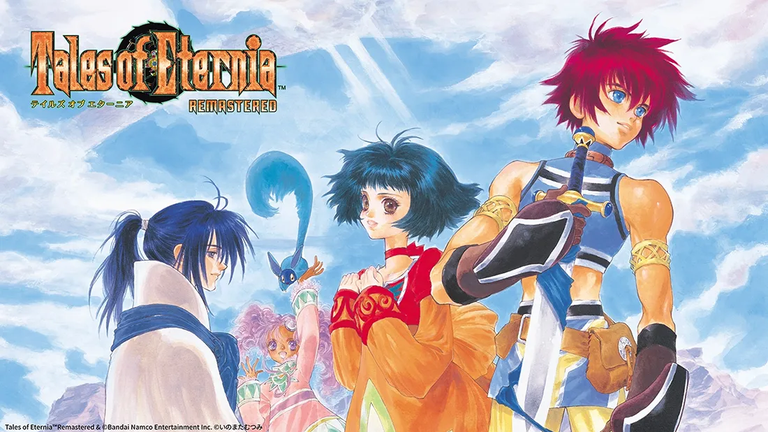
When thinking about classic JRPGs making a comeback, checking out a Tales of Eternia Remastered before you buy guide is essential for both nostalgic fans and curious newcomers. Bandai Namco’s surprise revival of this turn-of-the-century classic breathes new life into an entry that many Western players previously missed or struggled to experience properly. If you are wondering whether this modern port is worth your hard-earned cash, our Tales of Eternia Remastered before you buy breakdown covers everything from quality-of-life additions to historical localization quirks.
A Surprising Comeback for an Overlooked Classic
When Bandai Namco initially announced its wave of classic series refreshes, few JRPG enthusiasts expected this specific title to enter the spotlight. While titles like Tales of Graces F or Tales of Xillia made chronological and platform-locking sense for modern updates, this particular entry felt completely left behind. Globally, worldwide sales data from past years placed it behind heavy hitters like Tales of Phantasia and Tales of the Abyss, cementing its status as an overlooked franchise entry.
Yet, out of all the older entries in the franchise, this forgotten gem arguably had the most to gain from a comprehensive modern tune-up. Rather than offering a lazy cash grab, publisher Bandai Namco and developer TOSE chose to treat this black-sheep title with genuine care. To understand how far the game has come, let us look at how the original releases stack up against the modern edition.
| Release Version | Platform | Major Localization Issue / Hurdle | Modern Status |
|---|---|---|---|
| Original Release | PlayStation 1 | Renamed Tales of Destiny II in North America; skipped Europe entirely. | Obsolete, superseded by remaster. |
| PSP Re-release | PlayStation Portable | Released only in Europe; first print run crippled by the game-breaking Volt Glitch. | Unreliable due to physical media degradation and bugs. |
| Modern Edition | Multi-Platform | Fully unified title, updated script, brand-new English dub, and added Skits. | The definitive way to play. |
A Rocky History of Localizations and Hardware Glitches
Before diving into the game today, it helps to understand why players historically struggled to experience this adventure properly. The franchise has a notoriously convoluted localization history. When it first launched on the original PlayStation in North America, executives bizarrely rebranded it as Tales of Destiny II, completely bypassing Europe and causing massive confusion when a genuinely unrelated sequel to Tales of Destiny dropped a year later in Japan.
Later on, the 2005 PlayStation Portable (PSP) port finally brought the correct title westward, but it hit shelves exclusively in Europe. Worse still, community reports and player experiences confirmed that the initial batch of UMDs contained a catastrophic game-breaking bug known as the Volt Glitch. Because digital distribution did not exist on the PSP back then, players received completely unbeatable discs unless they tracked down a corrected second printing. Reviewing this history highlights why a modern, stable digital release is such a monumental win for preservation.
Developer Effort and Quality-of-Life Upgrades
Handling port duties for this project is TOSE, a Kyoto-based studio with decades of experience co-developing classic titles and square-enix ports. Their track record with previous franchise revivals proves they understand how to refresh retro mechanics without ruining the original charm. Rather than leaving players stranded with clunky 2000s design choices, TOSE packed this release with dozens of modern conveniences.
| Quality-of-Life Feature | Original Implementation | Remastered Upgrade |
|---|---|---|
| Default Movement | Character always walked unless a button was held down continuously. | Toggleable default run speed setting. |
| Encounter Control | Fixed random battle frequency. | Adjustable encounter rate toggle. |
| Progression Tracking | Missable sub-events and obtuse navigation. | Optional toggleable objective and sub-event icons. |
| Cutscene Control | Unskippable dialogue and story sequences. | Ability to pause and skip scenes at will. |
These adjustments completely transform the pacing of a traditional JRPG. For instance, being able to track missable sub-events via toggleable icons prevents players from locking themselves out of vital character moments—a notorious frustration in older role-playing games. Furthermore, hardcore veterans will appreciate that Nereid’s Labyrinth is now unlocked on a first playthrough, alongside a fully replayable Arena match that used to be a one-time-only opportunity.
Voice Acting, Translation, and Script Overhauls
Perhaps the single most significant upgrade for Western players is the inclusion of Skits. These short, charming character banter moments were entirely stripped out of previous English localizations, leaving the core cast feeling somewhat hollow compared to later franchise entries. The modern release remedies this by incorporating more than 250 fully translated Skits that flesh out the world-building and character dynamics.
Additionally, the entire script received a meticulous translation pass courtesy of Side, fixing awkward terminology and archaic item names. Longtime fans will notice several nomenclature changes:
- Merenol is now properly translated as Mjolnir.
- WakeUp Charm is now the Stun Bracelet.
- Reflect has been updated to Reflex.
- Pico Revenge now correctly reads Pow Hammer Revenge.
Complementing the redone script is a brand-new English voice-over cast recorded at Cup of Tea studios. While purists may occasionally miss the cheesy, ultra-niche charm of the early 2000s dub, the new voice actors deliver genuinely polished performances. For those who prefer authentic audio tracks, the original Japanese voice cast remains fully available. For more details on franchise releases and updates, you can check out official announcements on the Bandai Namco Entertainment Official Website.
Verdict: Should You Buy It?
Ultimately, this release stands as a masterclass in video game preservation. It takes a historically mistreated, four-console-generation-old title and upgrades it into a smooth, accessible experience suitable for modern gamers. While purists might mourn the absence of an optional 4:3 display mode or the old 90s voice tracks, the sheer volume of quality-of-life features makes returning to older hardware nearly impossible to recommend.
Whether you are looking to experience a missing piece of JRPG history or simply want a comfortable, classic-style fantasy journey with snappy 2D arcade combat, this package delivers on all fronts. Bandai Namco and TOSE have given an overlooked franchise entry a magnificent second chance, proving that retro classics deserve thoughtful stewardship just as much as marquee AAA blockbusters.
Frequently Asked Questions
Is Tales of Eternia Remastered a good entry point for beginners?
Yes, the inclusion of adjustable encounter rates, objective markers, and modern navigation aids makes it much more accessible than its original hardware iterations, serving as a comfortable stepping stone into classic JRPGs.
Does the remaster include the missing Skits from the original English release?
Yes! Over 250 fully translated character Skits have been added to the game, complete with a brand-new English voice dub to flesh out the character writing and world-building.
What major quality-of-life features are included?
Players can now enjoy a default run speed toggle, encounter rate sliders, New Game+ mode, skippable cutscenes, save loading directly from the menu, and optional objective indicators for missable sub-events.
Are there any performance issues or bugs like the original PSP release?
Unlike the infamous Volt Glitch that plagued the physical European PSP UMDs, this modern release is stable, patched, and digitally accessible across multiple platforms without hardware risks.